

The Allure of Casino Games
The captivating environment of a casino is designed to entice and engage players. From the bright lights to the sound of spinning reels, each element works in harmony to create an exhilarating atmosphere. This sensory overload is intentional, tapping into the brain’s reward system. Players are often drawn in by the anticipation of winning, which makes it easy for them to forget about the reality of gambling, including options like casino sites not on gamstop that exist outside the mainstream casinos.
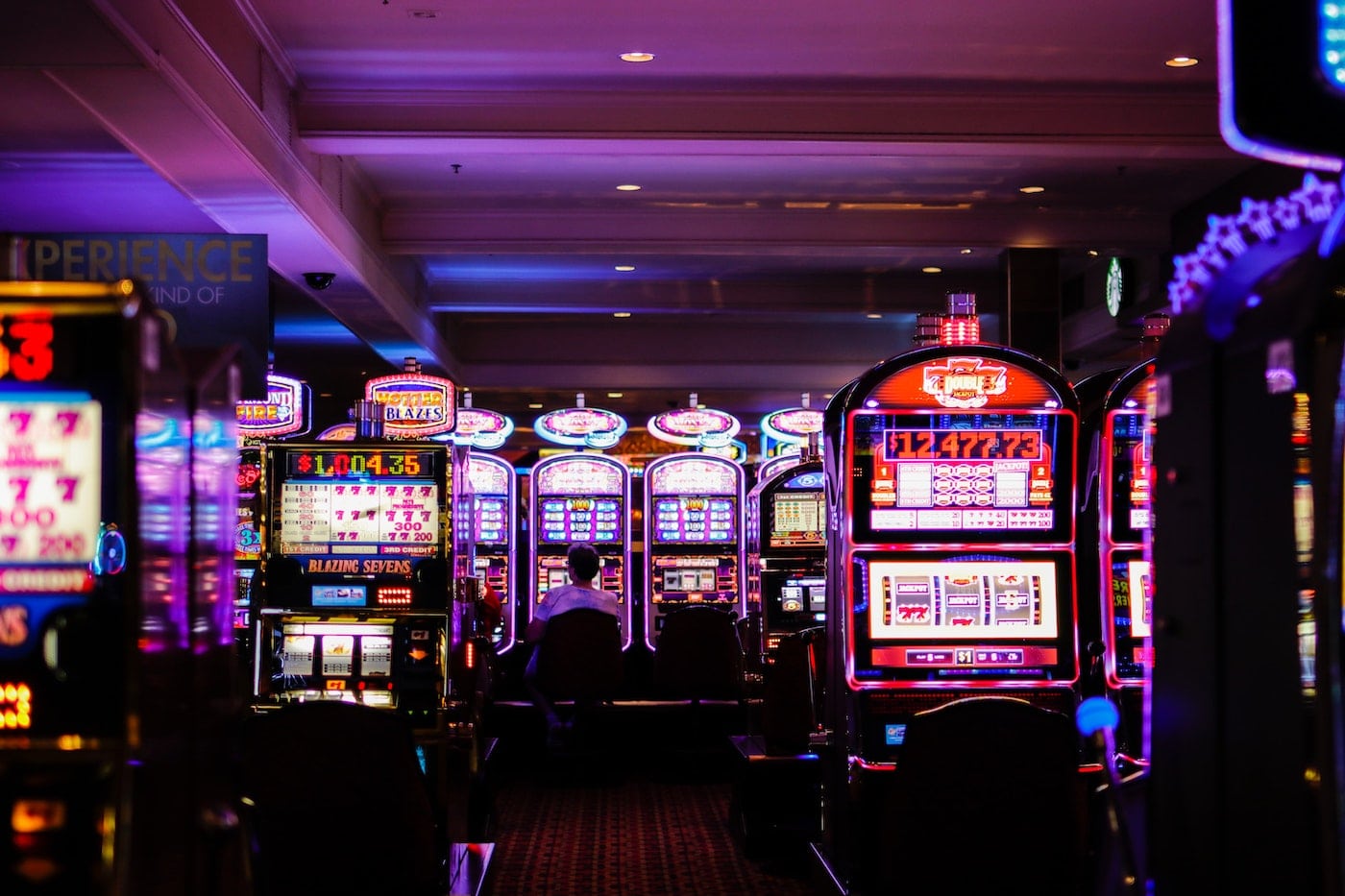
This allure is further enhanced by the concept of near-misses. Studies have shown that players are more likely to continue playing after experiencing a near-win, as it creates a false sense of hope and encourages them to stay in the game. In essence, the thrill of the game feeds into various psychological triggers that keep players returning for more.
The Role of Chance and Skill
The balance between chance and skill in casino games significantly influences player behavior. Slot machines are predominately based on luck, while games like poker require a level of skill and strategy. This distinction affects how players perceive their chances of winning. Those who believe they can influence the outcome often invest more time and money, hoping their skill will yield better results.
Conversely, players of purely chance-based games may adopt a more casual attitude, viewing their experience as entertainment rather than a serious endeavor. Understanding this dynamic is key for casinos, as it allows them to tailor their offerings to different player types, maximizing engagement and revenue.
The Psychological Impact of Losses
Loss aversion is a prominent psychological phenomenon observed in casino environments. Players are often more affected by their losses than motivated by their wins. This predisposition can lead to a cycle of chasing losses, where players continue gambling in an attempt to recover what they have lost. Such behavior not only impacts individual finances but also contributes to the overall economy of the casino.
Moreover, casinos capitalize on this psychology by offering players incentives, such as loyalty programs and bonuses, aiming to reduce the pain associated with losses. These strategies create a compelling reason for players to return and keep playing, often leading to further losses in the long run.
The Social Aspect of Gambling
The social environment of casinos plays a critical role in shaping player behavior. Many individuals view gambling as a social activity, where they can bond with friends or meet new people. This social interaction often helps players feel more comfortable and willing to take risks. The communal experience of cheering on a player during a game or discussing strategies among peers enhances the overall enjoyment and willingness to engage.
Additionally, the presence of others can exacerbate certain behaviors, such as high-stakes betting or impulsive gambling. Social pressure and the desire to impress peers can drive players to make decisions they might not consider in isolation, leading to increased spending and risk-taking behavior.

Conclusion and Community Engagement
Understanding the psychology behind casino games is crucial for both players and operators. While the allure of winning can drive engagement, it is equally important for players to recognize the psychological mechanisms at play. By fostering awareness and promoting responsible gambling, individuals can enjoy the thrill of casino games while maintaining a healthy relationship with gambling.
In a world where such discussions are vital, our platform serves as a hub for individuals eager to explore the nuances of casino psychology. Engaging with like-minded individuals can foster a better understanding of the behavior behind gaming, guiding players through their experiences while promoting responsible practices.